Creating a Cozy Reading Nook with a Window Seat
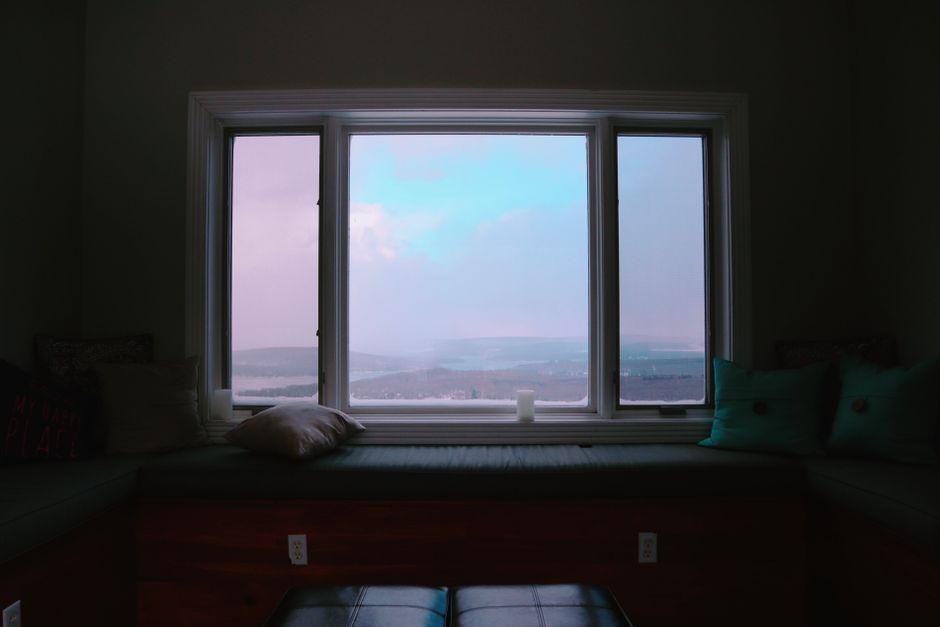
For many readers, the perfect sanctuary is not just a comfortable chair but a dedicated space that invites relaxation and immersion. A window seat, especially one in a bay window, offers an ideal foundation for such a nook. It combines natural light, architectural interest, and a sense of enclosure that can transform an ordinary corner into a personal retreat. This article explores the process of creating a cozy reading nook around a window seat, focusing on the selection of cushions, throws, lighting, and additional elements that contribute to a serene and functional space.
The appeal of a window seat lies in its dual functionality: it serves as both a perch for observation and a quiet haven for literary escape. By thoughtfully layering textures and incorporating proper illumination, you can craft an area that not only looks inviting but also supports long reading sessions. Whether you are starting from scratch or refreshing an existing bay window, understanding the key components is the first step toward building your ideal reading environment.
Assessing Your Space and Needs
Before selecting any decor, it is essential to evaluate the physical dimensions and characteristics of your window area. Measure the depth, width, and height of the seat to determine how many cushions or a custom cushion you might need. Consider the window’s orientation and the amount of natural light it receives throughout the day, as this influences both the type of lighting you’ll require and your comfort in the space. For example, a south-facing window may bring in strong sunlight, which could be pleasant in winter but overwhelming in summer, prompting the need for adjustable window treatments.
Additionally, think about your reading habits. Do you prefer long, uninterrupted sessions or frequent short breaks? Are you likely to read in the morning, afternoon, or evening? These factors will guide your choices for seating support and lighting. If you often read for extended periods, you might prioritize a deeper seat with adequate back support. You should also consider the proximity of the nook to other household activities; a quiet corner away from high traffic is more conducive to concentration.
Finally, assess the overall style of the room where the window seat is located. The reading nook should harmonize with the existing decor, either by blending seamlessly or by providing a deliberate contrast that adds visual interest. Taking note of the colors, materials, and patterns already present will help you make informed decisions about cushions and throws that complement rather than clash.
Selecting Cushions and Throws for Comfort and Aesthetics
The foundation of a comfortable window seat starts with a well-fitted cushion. A custom-made cushion that matches the exact dimensions of the seat offers the best support and prevents sliding. When choosing a cushion, prioritize density and firmness: a medium-firm foam or a high-quality down alternative provides adequate support for both sitting and lounging. Consider a removable, washable cover made from durable fabrics like cotton, linen, or a cotton-polyester blend, which are easier to maintain and clean.
Beyond the main cushion, additional decorative pillows can enhance comfort and add a touch of personality. A mix of throw pillows in varying sizes—such as square and lumbar—allows you to adjust support as needed. For example, a lumbar pillow placed at the lower back can reduce strain during long reading sessions. Choose fabrics that feel pleasant against the skin, such as velvet, chenille, or knit, and incorporate textures that invite touch.
A throw blanket is another indispensable element for a cozy nook. It not only provides warmth on chilly days but also adds a layer of visual richness. Select a throw that complements the color scheme of the room and the cushions, perhaps one that introduces a subtle pattern or a contrasting hue. Materials like wool, cashmere, or a soft fleece offer both insulation and a luxurious feel. Drape the throw over the back of the seat or fold it neatly at one side, ensuring it is within easy reach for when the temperature drops.
When assembling these elements, aim for balance. Avoid overcrowding the seat with too many pillows, as this can reduce the available seating space and make the nook feel cluttered. Instead, choose a cohesive group of two to four pillows that provide both visual appeal and functionality. Similarly, the throw should complement, not overwhelm, the overall aesthetic. Remember that the goal is to create a welcoming space that encourages use, so practicality should always accompany style.
Lighting Strategies for Optimal Reading Conditions
Proper lighting is critical for any reading area, especially one set within a window. During daylight hours, natural light may suffice, but glare and shadows can become issues depending on the time of day and the window’s orientation. To diffuse harsh sunlight, consider sheer curtains or adjustable blinds that allow you to regulate the intensity. Alternatively, a roller shade can be partially lowered to create a soft, ambient glow that reduces contrast and is easier on the eyes.
For evening or low-light conditions, dedicated reading lights are necessary. A wall-mounted swing-arm lamp positioned beside the seat provides focused illumination without taking up valuable space. Alternatively, a floor lamp placed adjacent to the nook can offer adjustable brightness. If you prefer a more compact solution, a clip-on book light or a rechargeable LED lamp can be attached directly to a shelf or the window frame.
When selecting artificial lighting, consider the color temperature. Bulbs with a warm white (around 2700K to 3000K) create a relaxed atmosphere that is ideal for winding down, while brighter, cooler temperatures (3500K to 5000K) are better for focused reading that requires more alertness. Dimmable options give you the flexibility to adjust the light according to the time of day and your activity. Also, evaluate the direction of the light to minimize shadows on the pages; ideally, the light should come from over your shoulder, not directly in front or behind.
In addition to task lighting, incorporate ambient light sources to create a soothing ambiance. A small table lamp on a nearby side table or a string of fairy lights draped along the window frame can add a gentle glow that enhances the cozy atmosphere. However, ensure that decorative lighting does not interfere with the primary reading light’s function. The key is to establish a layered lighting plan that addresses both practicality and atmosphere.
Adding Personal Touches and Organizational Details
To make the reading nook truly inviting, incorporate elements that reflect your personality and enhance convenience. A small side table or a wall-mounted shelf can hold a cup of tea, a notebook, or your current stack of books. Choose a surface that is stable and easy to reach from the seated position. If space is limited, a floating shelf above the window works well without encroaching on the seat area.
Integrating storage solutions helps keep the area tidy. A small basket or a fabric bin at the side of the window can store extra blankets, magazines, or books you plan to read. This not only maintains an uncluttered appearance but also ensures that everything you need is at hand. For a more built-in look, you might install bookshelves on either side of the bay window, turning the entire alcove into a miniature library.
Personal touches can transform a functional space into a cherished retreat. Consider adding a framed print, a potted plant, or a favorite objet d’art to the window ledge. These items add visual interest and make the nook feel like an extension of your home’s personality. However, be mindful of not obstructing the view or creating distractions. A simple, curated selection of accessories that resonate with you will contribute to the serenity of the space.
Finally, consider the view from the window. If the outlook is pleasant, arrange the seating to take advantage of it. If the view is less appealing, you might install frosted privacy film or hang a decorative panel that can be drawn when desired. The ability to control the view adds flexibility and allows you to create a more intimate setting when you prefer to focus solely on your book.
Maintaining and Adapting Your Reading Nook
Once your reading nook is established, it requires occasional maintenance to remain inviting. Cushion covers and throw pillows should be cleaned regularly according to their care instructions to prevent dust and allergens from accumulating. Rotate and fluff cushions to maintain their shape and comfort. Inspect the window area for drafts or leaks and address any issues to ensure year-round comfort.
As seasons change, you may find it beneficial to adjust the elements of your nook. In summer, you might swap heavier throws for lighter cotton options and use lighter, brighter cushion covers. In winter, add an extra layer of insulation or choose thicker fabrics. This adaptability not only keeps the space functional but also provides an opportunity to refresh the decor without a full renovation.
The reading nook should evolve with your needs and preferences. As you discover new reading habits or your collection grows, consider how you might expand storage or introduce additional seating. A window seat can also serve as a spot for conversations or a quiet place for reflection. By remaining open to modifications, you ensure that the space continues to serve you effectively.
Creating a cozy reading nook with a window seat is a process that blends aesthetics with functionality. By thoughtfully assessing your space, selecting appropriate cushions and throws, implementing strategic lighting, and adding personal touches, you can craft a corner that becomes your favorite retreat. The result is a serene environment that encourages reading and relaxation, adapting to your changing needs over time.
The journey to a perfect reading nook is not about achieving a static outcome but about creating an adaptable space that supports your literary adventures.
Whether you are a casual reader or a dedicated bibliophile, the effort invested in designing this space is rewarded with countless hours of comfort and inspiration. Consider this an invitation to explore the potential of your window seat and turn it into a cherished part of your home.