Smart Storage Solutions for a Kids’ Bedroom
When designing a child’s bedroom, creating a functional and organized space can feel like a significant challenge. The constant influx of toys, clothing, and art supplies often leads to clutter, making it difficult for children to find what they need and for parents to maintain order. However, with thoughtful approaches to storage, it is possible to strike a balance between a playful aesthetic and practical tidiness.
Effective storage solutions go beyond simply putting things away; they involve creating systems that are easy for children to use and understand. By incorporating bins, shelves, and multipurpose furniture, parents can design a room that not only looks appealing but also supports a child’s independence and sense of responsibility. This article explores various strategies for smart storage, focusing on methods that are both visually appealing and highly functional.
Assessing Your Storage Needs
Before purchasing any storage items, it is helpful to take a comprehensive inventory of what needs to be stored in the room. Categorize items by type—such as toys, clothing, books, and school supplies—and consider the frequency of use for each category. Frequently used items should be placed within easy reach, while items used less often can be stored higher up or in less accessible areas.
Another important factor is the size and layout of the room. Measure available wall space, floor area, and closet dimensions to determine what types of storage solutions will fit comfortably. Additionally, consider the child’s age and developmental stage. For younger children, low, open bins with labels or pictures work well, while older children might prefer drawer units or modular shelving that they can customize.
It is also beneficial to think about future needs. Children grow quickly, and their storage requirements change as they develop new interests and hobbies. Opting for versatile, adjustable storage systems can extend the life of your organizational setup, reducing the need for frequent replacements.
Choosing the Right Bins and Baskets
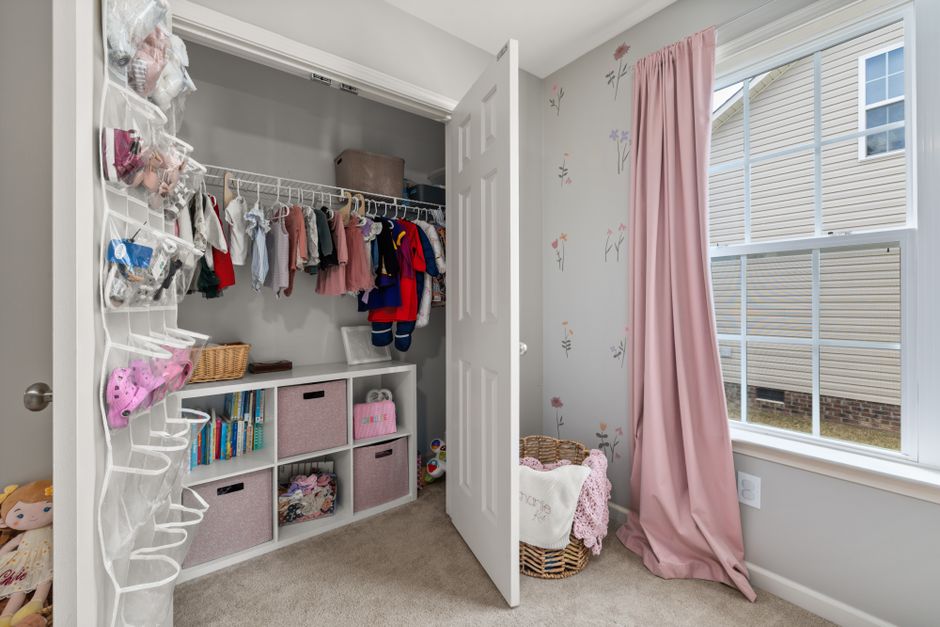
Bins and baskets are fundamental to any kids’ storage plan. They offer a flexible and visually pleasing way to group similar items together. When selecting bins, consider materials that are durable and easy to clean, such as woven fabric, plastic, or metal. Fabric bins in various colors and patterns can add to the room’s decor while keeping clutter out of sight.
Labeling bins is a key strategy for encouraging children to participate in tidying up. For children who cannot yet read, use pictures or colored labels that correspond to categories. This visual system allows even toddlers to understand where each type of toy belongs, fostering a sense of ownership and responsibility.
In addition to traditional bins, consider using baskets with handles for larger items like stuffed animals or sports equipment. These can be stored on shelves or in toy chests, making it easy for children to carry them from one place to another. Incorporating a mix of sizes ensures that every item has a designated home.
Maximizing Vertical Space with Shelving
Shelving is one of the most effective ways to utilize vertical space in a child’s bedroom. Wall-mounted shelves, for instance, keep the floor clear while providing display areas for books, toys, and decorative items. When installing shelves, it is important to secure them firmly to the wall and to consider the height at which they are placed.
Low, open shelves are ideal for younger children, as they can see and access their belongings without assistance. This accessibility encourages independent play and cleanup. For older children, taller bookcases can hold more items, including books, trophies, and craft supplies. Adjustable shelves allow for customization as the child’s collection evolves.
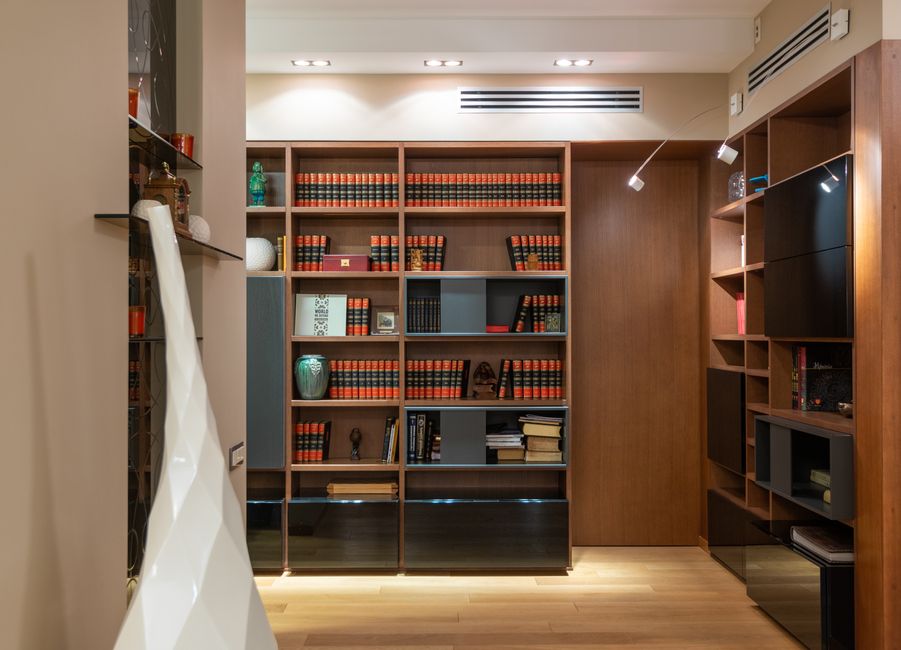
Another clever shelving idea is to use the back of the closet door or the area above the bed. Installing shallow shelves above a bed creates a cozy nook for storing favorite items while maximizing space that might otherwise be unused. Floating shelves also add a modern touch without dominating the room’s design.
Multipurpose Furniture for Functional Versatility
Investing in multipurpose furniture can significantly increase a room’s storage capacity without adding clutter. Beds with built-in drawers, for example, provide ample space for out-of-season clothing, extra bedding, or toys. Loft beds create an entire area underneath that can be fitted with desks, bookcases, or play zones, making the most of the room’s footprint.
Ottomans and benches that double as storage are perfect for seating areas, offering a place to sit while hiding away toys or books inside. Desks with shelves or cubbies, and storage benches at the foot of the bed, are other practical choices that seamlessly integrate storage into everyday furniture.
When selecting multipurpose pieces, consider the child’s long-term use. Convertible cribs that change into toddler beds, or desks that adjust in height, are valuable investments that grow with the child. Quality and safety are paramount, so choose sturdy pieces with rounded edges and non-toxic finishes.
Creative Solutions for Small Spaces
Not every child’s bedroom has square footage to spare, but smart storage can make even a compact room feel organized and spacious. One effective technique is to take advantage of vertical storage by installing tall, narrow shelving units or hanging organizers on the back of the door. Over-the-door clear pockets are excellent for shoes, hair accessories, or small toys.
Consider using every nook and cranny, such as the space under the bed, which can be equipped with rolling storage drawers or bins on wheels. This area is perfect for off-season clothes or bulky items like blankets. Similarly, corners can be turned into useful storage with corner shelves or a small reading nook with built-in storage.
Another creative approach is to use ceiling-mounted hooks or hanging baskets for bulky items like stuffed animals, which can also decorate the room. When floor space is limited, think upward: a bookshelf that extends to the ceiling can hold a surprising amount of items if the top shelves are reserved for less frequently used treasures.
Maintaining an Organized Space Long-Term
Creating a storage system is only the first step; regular maintenance is essential to keep the room organized over time. Establish a routine for sorting and decluttering, perhaps once a month or at the change of seasons. This helps to prevent accumulation of items that are no longer used or loved.
Involve children in the maintenance process by making cleanup fun. Use games or timed challenges to see who can put away their toys the fastest, and praise their efforts. Consistency is key: if children know that every item has a specific place, they are more likely to put things back without constant reminders.
Periodically reassess the storage setup. As children grow, their needs change, so be open to rearranging shelves, adding new bins, or moving furniture to better suit their current activities. A flexible approach to organization ensures that the storage system remains effective and enjoyable for everyone.
Remember that the goal of smart storage is to create a space that is both functional and joyful, where children can play, learn, and grow without feeling overwhelmed by clutter.