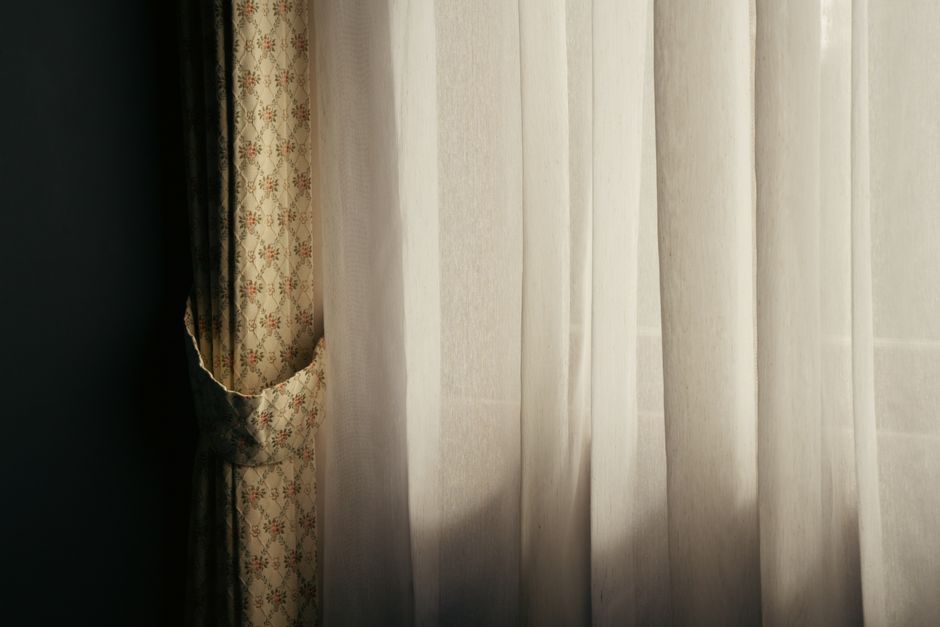
Curtains play a dual role in any room: they manage the flow of natural light and provide a degree of privacy. The way they interact with daylight depends on several factors, including the fabric’s opacity, the curtain’s color, and how the panels are hung. Understanding these elements can help in making choices that align with both practical needs and aesthetic preferences.
This article explores the relationship between curtains and natural light, focusing on material properties and installation techniques. It also considers how to balance brightness with a sense of comfort and coziness. By examining these aspects, the goal is to offer a framework for selecting window treatments that enhance a living space without compromising on atmosphere.
Understanding Fabric and Weave
The fabric of a curtain is the primary determinant of how much light enters a room. Lightweight materials like linen, cotton, or sheer polyester allow daylight to filter through, casting a soft glow and maintaining a connection to the outdoors. Heavier fabrics such as velvet, suede, or faux silk block most light and provide greater privacy. Between these extremes, there are medium-weight fabrics, like certain blends, that offer a balanced diffusion.
Weave density also plays a critical role. A tight, dense weave prevents light from passing through, while a loosely woven or open-weave fabric permits more light. Additionally, the color of the fabric matters: darker shades absorb more light, whereas lighter tones reflect it, brightening the room even when the curtains are partially closed. The choice of fabric should therefore consider the desired level of brightness and privacy for each particular room, as well as the time of day when light is most important.
Selecting Curtain Styles for Different Rooms
Each room in a home has unique requirements when it comes to light control. For living areas where natural light is often desired during the day, sheer or semi-sheer curtains can be an ideal option. They diffuse harsh sunlight, reducing glare while still illuminating the space. In bedrooms, where privacy and light blockage are often priorities, heavier fabrics or layered curtains—combining sheers with blackout liners—offer flexibility.
North-facing rooms tend to receive softer, cooler light, which might be enhanced with light-colored curtains to reflect what little direct sun there is. South-facing rooms, on the other hand, can become overly bright and warm; here, medium-weight fabrics with a light color can help moderate the intensity. The intended function of each room should guide the decision, ensuring that the curtains complement the daily activities and the occupants’ preferences.
Hanging Techniques for Optimal Light
The way curtains are hung affects both their appearance and their functionality. For maximum light exposure, curtains should be installed as close to the ceiling as possible and extend beyond the window frame, allowing the panels to be drawn completely to the sides. Using a rod that is wider than the window frame will enable the curtains to stack off the glass when open, uncovering the entire window.
When curtains are intended to block light, they should be hung tightly against the window wall, with minimal gaps at the sides and bottom. Overlapping the panels in the center when closed reduces light seepage. For a soft, airy look that still provides some diffused light, a rod pocket style can create gentle gathers, whereas grommet or eyelet curtains hang in even folds and are easier to slide.
Balancing Light and Privacy
Privacy and natural light often require compromise. In urban settings or homes facing a busy street, sheer curtains may not offer sufficient privacy, especially at night when interior lights are on. One approach is to use dual-function curtains, such as a sheer layer combined with a heavier outer panel. This arrangement allows adjustment throughout the day: during the day, the sheer layer can remain closed to soften light and provide privacy, while at night the outer layer can be drawn for full seclusion.
Another method is to install curtains with adjustable slats or blinds, which offer precise control over both light and privacy. However, curtains alone can achieve a similar effect if they are hung with care. For instance, a single panel that can be drawn across a window at different angles or a cascade of fabric that can be adjusted by hand can provide flexibility. The key is to identify the specific hours when both privacy and light are needed and to choose a configuration that can meet those changing needs.
Research suggests that exposure to natural light can positively affect mood and productivity, but the effects vary based on individual preferences and room usage. Therefore, selecting curtains is less about prescribing an ideal and more about finding a setting that suits one’s personal comfort.
Maintaining Coziness and Atmosphere
While maximizing natural light is a common goal, it should not come at the expense of comfort. A room that is overly bright can feel harsh, especially in the afternoon. Curtains that are too sparse might make a space feel stark and uninviting. To maintain a cozy atmosphere, consider layering curtains with sheer and opaque fabrics, using warm neutral tones that reflect light softly, and incorporating textures that add depth.
Placing a curtain rod inside the window frame can create a more intimate feel, while mounting it above the frame can make the ceiling appear higher and the room brighter. Lighting considerations also extend beyond daytime: at night, curtains should complement artificial lighting. Light-colored curtains can appear luminous when backlit, adding a gentle radiance to the room. Thus, the choice of curtains is not merely functional but also contributes to the overall ambiance.
Conclusion
Selecting curtains that work well with natural light involves an appreciation of material properties, installation techniques, and the specific requirements of each room. By focusing on fabric weight, weave, and color, alongside hanging styles that optimize light or privacy as needed, it is possible to achieve a balance that enhances living spaces. The process is inherently iterative, as adjustments may be necessary to align with changing seasons, room use, or personal preferences.
Ultimately, the right curtains are those that support the way a space is used, allowing for daylight when it is welcomed and providing shelter from glare or prying eyes when required. With careful consideration, curtains can become an integral part of a home’s comfort and coziness, creating a restful environment that feels both open and warm.