Layering textiles is a design technique that involves combining various fabrics, patterns, and textures to create a space that feels inviting and visually rich. This approach goes beyond simple decoration; it is a method of adding depth and warmth to a room, making it more comfortable and personalized. By thoughtfully selecting and arranging rugs, throws, and pillows, anyone can transform a plain interior into a layered, lived-in environment. This article explores the principles of textile layering, offering practical guidance on how to mix materials, patterns, and colors effectively. The focus is on process and context, providing information that can be adapted to individual tastes and spaces.
Incorporating different textiles is not just about aesthetics; it also serves functional purposes, such as adding insulation, acoustic comfort, and tactile pleasure. The choice of fabrics can influence the perceived temperature and mood of a room, making it feel either more energetic or more serene. Understanding the characteristics of various materials and how they interact is essential for successful layering. Whether aiming for a minimalist look or a bohemian vibe, the principles of texture, scale, and cohesion remain central. This article will delve into each element, from rugs to throws and pillows, and discuss how they can be combined harmoniously.
The Role of Rugs in Textile Layering
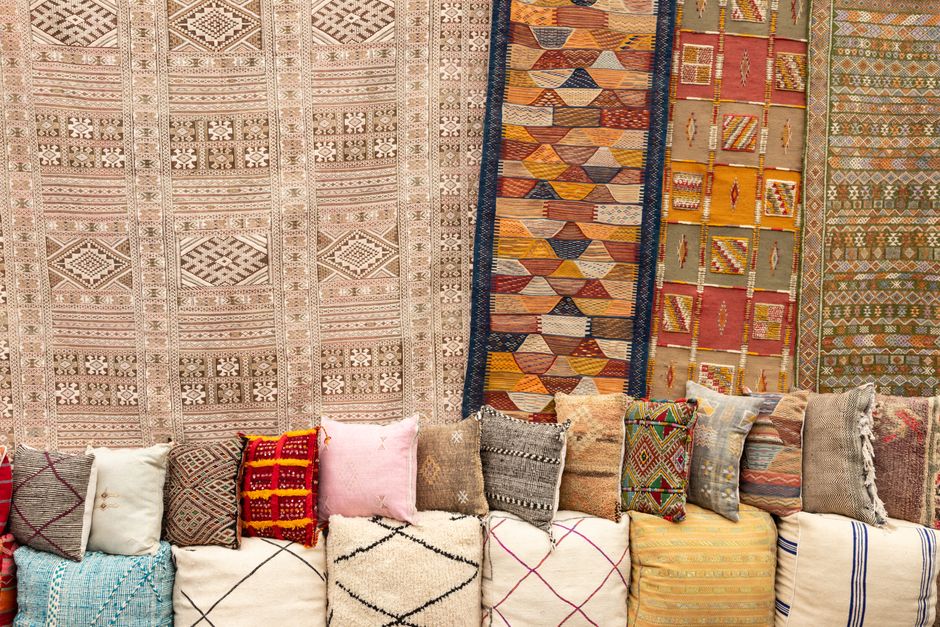
Rugs serve as the foundation of textile layering, anchoring the space and providing a base palette. When selecting a rug, consider the size relative to the room and the furniture arrangement. A larger rug can define a seating area, while a smaller one can create a focal point or add subtle zone definition. The material of the rug contributes significantly to the overall feel: wool offers durability and natural stain resistance, cotton is easy to clean and lightweight, while jute and sisal provide a more casual, organic texture. Layering rugs, such as placing a smaller, patterned rug over a larger, neutral one, can add visual interest and delineate specific areas within a room.
The pattern and color of a rug can set the tone for the entire space. A bold, geometric rug can serve as a statement piece, while a subtle, textured rug in a neutral shade can act as a backdrop for other textiles. When layering multiple rugs, it is important to consider their relative scales and textures. For example, a flat-weave kilim over a plush, high-pile rug can create a pleasing contrast in both texture and height. The placement of layered rugs should also be intentional, ensuring they complement the room’s layout and do not create trip hazards. By starting with the rug as the base, other textile layers can be built upon it to create a cohesive look.
Throws: Adding Warmth and Texture
Throws are versatile textile layers that can be draped over sofas, chairs, or the foot of a bed to introduce additional warmth and texture. The choice of throw material can dramatically affect the comfort and style of a space. Chunky knits, such as those made from merino wool or cotton, add a cozy, tactile element, while lightweight linen or cotton throws offer breathability and a more relaxed aesthetic. Fleece and faux fur throws provide softness and a sense of luxury, but they also bring a different texture that can be balanced with other fabrics.
When incorporating throws, consider both their visual weight and their placement. A generously folded throw can add a pop of color or a pattern to a neutral sofa, while a neatly draped throw can create a sense of intentionality. Mixing the texture of throws with those of pillows and rugs helps to build a layered, inviting look. For instance, a cable-knit throw paired with smooth velvet pillows and a rough jute rug can create a dynamic interplay of tactile sensations. The way a throw is arranged—whether casually tossed or neatly folded—also influences the overall mood of the room, contributing to either a relaxed or a more polished atmosphere.
Pillows: The Final Touch
Pillows are the most easily changed element of textile layering, offering an opportunity to experiment with color, pattern, and texture without a significant commitment. When selecting pillows, think about the overall composition in terms of scale, shape, and arrangement. A mix of sizes, from large square pillows to smaller lumbar ones, can add depth and support. The fabric choice is crucial: velvet gives a rich, luxurious feel, cotton is crisp and casual, and linen offers a relaxed, natural look.
To create a cohesive arrangement, combine solid colors with patterns that share a common color palette. A common approach is to select one patterned pillow and pair it with solid-colored pillows that pick up a secondary color from the pattern. This creates a sense of unity while still allowing for variation. Texture plays a key role as well; mixing smooth fabrics like silk or velvet with rougher ones like wool or woven cotton adds visual and tactile interest. Pillows should also be arranged with purpose, whether symmetrically for a classic look or asymmetrically for a more modern, eclectic feel. Rotation and seasonal changes are easy ways to refresh a space, but the underlying principles of layering remain consistent.
Pattern Mixing Principles
Mixing patterns is an art that can be approached with a few guiding principles. One common method is to vary the scale of patterns: combine a large-scale floral or geometric print with a smaller, more subtle pattern to create visual balance. Another approach is to stick to a cohesive color palette, ensuring that the patterns do not clash but rather complement each other. Using a combination of stripes, solids, and organic shapes can also add depth to a room without overwhelming it.
To avoid a chaotic look, establish a ‘base’ pattern or color that threads through the design. For instance, a neutral rug can serve as a backdrop for patterned pillows and a striped throw. In textile layering, the goal is not to match everything perfectly but to create a harmonious whole. Experimentation is encouraged; the process of trial and error can lead to unexpected and delightful combinations. However, a useful rule of thumb is to limit the number of distinct patterns in a single area to two or three, ensuring they share a common color or theme.
Creating a Cohesive Layered Look
Cohesion in textile layering comes from a deliberate approach to color, texture, and placement. Start by selecting a color palette that reflects the desired mood of the room—warm tones like terracotta and ochre can add coziness, while cool blues and greens may evoke calm. Then, choose textures that work well together: a mix of smooth, rough, soft, and structured fabrics can create a rich sensory experience. The way these elements are distributed throughout the room matters; balance heavy textures with lighter ones to avoid a cluttered feel.
One effective strategy is to layer from the bottom up: begin with the rug, then add larger furniture pieces, and finally top with throws and pillows. This ensures that each layer builds upon the previous one, creating a sense of depth. It is also beneficial to consider the function of each textile; for example, a throw might be both decorative and functional for warmth, while pillows provide comfort. The final look should feel intentional yet effortless, as if the textiles were accumulated over time rather than instantly purchased. By following these principles, one can achieve a layered space that is both stylish and personal.
Layering textiles is a dynamic process, not a one-time task. It can evolve with seasons, trends, and personal taste, making it a rewarding way to express creativity in home decor.
In conclusion, layering textiles through rugs, throws, and pillows is a versatile technique that adds both visual and physical comfort to any room. By understanding the roles of each element, the importance of texture and pattern, and the value of a cohesive palette, individuals can create spaces that reflect their personality while remaining functional. The process encourages experimentation and adaptation, allowing for ongoing refinement. Whether starting from scratch or updating an existing design, the principles outlined here provide a framework for building a layered, inviting home.